Car Polishing and Paint Protection: A Car Owner’s Guide
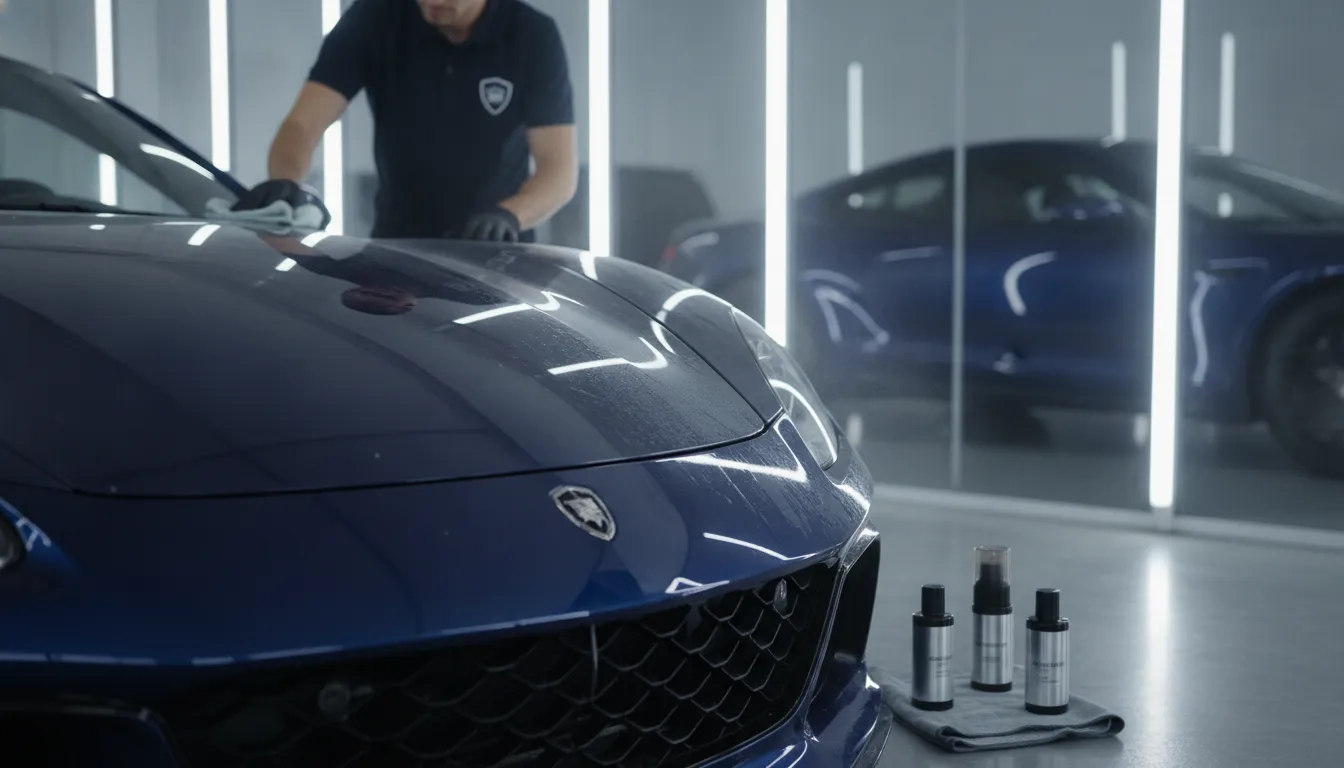
A fresh layer of wax can add gloss, but it won’t erase scratches. A polish can reduce the look of some light defects, but it won’t protect the paint on its own. That distinction is at the heart of car polishing and paint protection. The right plan starts with a clean surface and an honest look at the finish, then matches the treatment to your vehicle’s condition and how you use it. This guide breaks down polishing, preparation, protection options, and aftercare in straightforward terms. You’ll also learn when it’s best to stop and ask a professional. KD Mobile Rinse and Shine offers on-site vehicle detailing for customers in the Hardeeville area.
Key Takeaways
- Polishing refines paint, protection shields it: Polishing may lessen light swirls and haze, while wax, sealants, and coatings add a protective layer.
- Check the finish before polishing: Wash and inspect the paint, test a mild polish on a small area, and stop if damage looks deep or the clear coat is failing.
- Choose protection that fits your routine: Consider your budget, driving conditions, and maintenance preferences. For on-site vehicle care in Hardeeville, ask KD Mobile Rinse and Shine about mobile detailing.
What Do Car Polishing and Paint Protection Do?
Polishing and paint protection have different jobs. Polishing improves the appearance of the clear coat, while wax, sealants, and coatings add a protective layer to the finish. Understanding what each step can do helps you choose the right care for your vehicle.
Refine the clear coat with fine abrasives to clarify the paint
Most vehicles have a clear coat over the colored paint. Polishing uses fine abrasives to smooth a very thin layer of that clear coat, which can reduce the look of light swirls, minor scratches, and dullness. It does not add paint or fill in damage, and results depend on the condition of the finish.
The surface needs thorough cleaning before polishing. Dirt and bonded contaminants can interfere with the process and potentially leave more marks. A review of paint protection materials describes polishing as part of the preparation used to remove visible defects before applying a coating. Because polishing removes some clear coat, it should be done carefully and only as needed.
Protect the finish with a layer, but don’t correct defects
Wax, paint sealants, and ceramic coatings sit on top of the paint to help protect it from some environmental contaminants and routine exposure. Their durability and maintenance needs vary, so consider your driving habits, budget, and how often you want to care for the vehicle.
Protection does not repair scratches or make paint impervious to damage. Some products can help keep the surface cleaner and make routine washing easier, but no coating prevents every chip, stain, or scratch. Ceramic coatings generally last longer than wax and offer greater resistance to heat, UV rays, contaminants, and detergents, as described in this guide to ceramic coatings and wax.
Use wax to protect paint, not polish it or remove scratches
Wax adds a protective layer to the paint and can give the finish a glossy appearance. It does not refine the clear coat, so it won’t remove swirl marks or scratches. Wax may make the paint look shinier, but defects beneath the layer remain.
Traditional wax also needs regular reapplication to maintain its protection. How long it lasts depends on the product, weather, and washing habits. This overview of car paint protection explains why wax typically requires more frequent renewal than a ceramic coating. If you’re unsure which care your vehicle needs, a professional can assess the finish. KD Mobile Rinse and Shine offers mobile vehicle detailing in the Hardeeville area.
Which Paint Imperfections Can Polishing Correct?
Reduce visible swirl marks, light scratches, and oxidation
Polishing can improve the look of fine swirl marks, light surface scratches, and mild oxidation. Swirl marks often appear as fine circles in direct sunlight. Oxidation can make paint look faded or chalky. A polishing compound uses fine abrasives to refine the clear coat’s surface, helping reduce the appearance of these flaws and create a more even finish.
Results depend on the paint’s condition and how deep the marks are. Polishing may make a scratch less noticeable if it hasn’t gone through the clear coat, but it can’t replace missing paint. The paint correction process can also address some fallout and other surface imperfections. Inspect the finish before starting, and avoid trying to remove every mark. Chasing deep defects can take off more clear coat than the paint can safely spare.
Refine paint to reduce haze and dullness
Haze can leave a vehicle’s finish looking cloudy, even after a wash. Fine polishing may improve clarity when the haze comes from light surface defects or improper cleaning. It can also reduce the appearance of mild bird-dropping etching, though the result depends on the mark’s depth and age. The aim is a clearer, more uniform finish, not a like-new surface in every case.
Use the mildest polish and pad combination that achieves a noticeable improvement. Machine polishing can correct some defects more consistently than hand polishing, but technique still matters. Test a small area first and check the result under good light. If the paint remains cloudy, the cause may be deeper than polishing can safely address, so consider getting the finish assessed before continuing.
Know that polishing won’t remove deep scratches, etching, or clear-coat failure
Polishing has limits. A scratch that catches your fingernail may extend through the clear coat, but this test is only a rough indicator, not a definite diagnosis. Polishing may soften the edges of a scratch, but it cannot replace missing paint. Severe bird-dropping or water-spot etching may also improve without disappearing. Repeated passes to remove these marks can thin the clear coat and leave the paint more vulnerable.
Peeling, cracking, or widespread cloudy patches may signal clear-coat failure, which polishing won’t repair. These problems may need refinishing instead. Have significant damage assessed in good lighting before choosing a treatment. As guidance on common paint defects explains, deeper etching may only be partly improved by correction. A realistic assessment helps set expectations and avoid unnecessary polishing.
Distinguish contamination from defects that need polishing
A rough or speckled finish doesn’t always mean the paint needs polishing. Tar, tree sap, road film, and bonded particles can cling to the surface and make it feel gritty. A careful wash removes loose dirt, while a clay bar or another suitable decontamination method may lift some bonded material. Cleaning first makes it easier to see which imperfections are actually in the paint.
Polishing is meant to refine paint defects, not replace proper washing. Working over dirt or grit can create additional marks. Thorough washing and decontamination are also important preparation steps before polishing or applying a coating, as described in this overview of coating preparation. Once the surface is clean and dry, inspect it under good light. You can then decide whether polishing is appropriate or whether the remaining issue needs a different treatment.
Preserve clear coat with a measured approach
Each polishing session removes a small amount of clear coat, so take a measured approach. Begin with a test spot, a mild product, and a suitable pad. Check the result before working on the rest of the vehicle. If the finish looks better, there may be no reason to move to a more aggressive combination. Avoid making repeated passes over the same area just to pursue a flawless finish.
Paint condition can vary across panels, and previous correction work may affect how much clear coat remains. The right polish, pad, and controlled technique help reduce the risk of unnecessary removal, as shown in this polishing demonstration. If you’re unsure how your vehicle’s paint will respond, KD Mobile Rinse and Shine offers mobile detailing in the Hardeeville area. Ask about an assessment at your location before deciding on a polishing service.
Why Polish Before Applying Paint Protection?
Polishing and paint protection do different jobs. Polishing uses fine abrasives to refine the clear coat and improve the appearance of certain surface defects. Wax, paint sealant, and ceramic coatings add a protective layer, but they don’t correct scratches or swirl marks. If suitable defects are visible before protection is applied, they may still show beneath it. Correcting them first can leave the finish looking clearer.
Polishing isn’t required for every vehicle. If the paint is already in good shape, washing and removing bonded contaminants may be enough preparation. The best approach depends on the paint’s condition, the protection product, and how the vehicle is used. Because polishing removes a small amount of clear coat, it’s important to assess the surface and avoid unnecessary correction. Research on preparing paint for ceramic coatings highlights cleaning and polishing as part of surface preparation. Consider the following benefits and limits before choosing what your vehicle needs.
Correct suitable defects before sealing the finish
Paint protection won’t hide or remove swirl marks, light scratches, or haze. If these imperfections are visible before application, they’re likely to remain visible underneath wax, sealant, or a coating. Polishing can reduce some suitable defects and refine the finish before protection is applied.
Start with a clean surface. Wash and dry the vehicle, then remove bonded contaminants before polishing. This helps prevent dirt from being dragged across the paint during the process. Use the least aggressive polish and pad combination that can achieve your desired result, and test it on a small area first. Deep scratches, etching, and clear-coat damage may need professional assessment rather than more polishing.
Limit exposure to UV rays, contaminants, and everyday wear
After the paint is clean and properly prepared, a protective product can add a layer between the finish and everyday exposure. Wax, paint sealant, and ceramic coatings differ in durability and care needs. Depending on the product and application, ceramic coatings can offer longer-lasting resistance to UV rays and environmental contaminants than traditional wax. Learn how ceramic coatings compare with wax before deciding which option fits your vehicle.
Protection can be especially helpful if your vehicle spends a lot of time outdoors or regularly encounters road grime, tree residue, and bird droppings. It doesn’t replace routine washing, and prompt cleaning still matters when contaminants land on the paint. Follow the product’s care instructions to help maintain its performance.
Make routine cleaning easier with some protection options
Some paint protection options can make washing less of a chore. Ceramic coatings have water-repelling properties that can make it harder for dirt and grime to cling to the surface. As a result, routine cleaning may take less effort. Still, a coated vehicle needs regular washing, and the exact results depend on the product, application, and ongoing care.
Use paint-safe soap and clean wash materials, then dry the vehicle carefully to help reduce water spots and marring. Check the manufacturer’s guidance for any maintenance products or washing recommendations. This overview of how ceramic coatings and wax differ can help you weigh convenience against cost and upkeep. Choose an option that suits your cleaning routine, budget, and expectations.
Set expectations: no product prevents every scratch, chip, or stain
Wax and coatings can help shield paint from some exposure to sun, moisture, and environmental pollution, but they don’t make a finish scratch-proof. A coating may help resist contamination and make cleaning easier, but it won’t stop every scratch or prevent rock chips. Paint protection film provides a physical barrier and may help guard against some chips and scratches, though it also has limits.
Think of paint protection as an added layer of care, not a guarantee. Your choice should reflect where you drive, how you store your vehicle, and how much maintenance you’re prepared to do. If you want help caring for your vehicle’s finish, ask KD Mobile Rinse and Shine about its mobile detailing services in Hardeeville, South Carolina.
How Do You Prepare a Car for Polishing?
Good preparation helps you polish evenly and avoid dragging dirt across the paint. Before starting, inspect the finish, wash and dry the car, and choose a clean place to work. If you’re unsure about the paint’s condition or how much correction it needs, consider getting help from a professional. KD Mobile Rinse and Shine offers vehicle detailing at your location in Hardeeville, South Carolina.
Inspect paint in good light and assess defects
Park the car in a bright, shaded area and inspect each panel from different angles. An inspection light can reveal swirl marks, light scratches, oxidation, and dull patches that may be easy to miss in dim or uneven lighting. Make a note of what you see and where it appears. This helps you plan your work and set realistic expectations: polishing can improve some surface defects, but it won’t repair every type of paint damage.
A step-by-step car polishing guide also recommends inspecting the paint before choosing an approach. If you find deep scratches, peeling clear coat, or damage you’re unsure how to assess, pause and ask a professional to check the finish.
Wash and dry the vehicle, then remove bonded contaminants
Wash the car thoroughly to remove loose dirt and grime, then dry it with a clean microfiber towel. Polishing before washing can drag grit across the paint and leave additional marks. Once the surface is dry, feel it gently with your hand and look for bonded contaminants, such as tree sap or tar, that may remain after a regular wash.
Use a paint-safe decontamination product as directed, and work gently rather than scraping at residue with a hard tool. The car polishing guide includes washing and removing bonded material as preparation steps. If you’re unsure which products suit your vehicle’s finish, check the product label or ask a detailer for guidance.
Work on cool paint in a clean, shaded space
Choose a clean, shaded place to work, and make sure the paint feels cool before applying polish. Sunlight and hot panels can cause products to dry too quickly, making them harder to spread and wipe away evenly. Dust, windblown debris, and dirty pads or towels can also interfere with your results.
If you need to work outdoors, choose a calm day and keep your tools clean. Follow the polish manufacturer’s instructions for working conditions, since products can vary. Research on paint protection materials discusses the importance of application conditions for coatings. Polishing is a separate step, but a controlled work area still helps you avoid preventable issues.
Test a polish and pad on a small area first
Before polishing the entire car, choose a small, less noticeable area and test your polish and pad combination. Apply the product as directed, wipe away the residue with a clean microfiber towel, and inspect the result under good light. A test spot shows whether the combination improves the finish and helps you avoid using a more aggressive approach than necessary.
If you like the result, continue with the same method on similar panels and check your progress as you go. If you don’t, stop and reassess the polish, pad, or technique instead of simply adding pressure. Follow the product label, including its guidance on application and additional layers. These product application tips offer a useful reminder to test first and follow instructions.
How Can You Polish a Car Safely at Home?
Polishing can reduce the appearance of light swirls and dullness, but it also removes a small amount of clear coat. Work carefully and aim for a noticeable improvement, not a flawless finish. If you see deep scratches, peeling paint, or exposed primer, stop and get advice from a professional.
Start with a clean, dry car in a shaded space, and make sure the paint is cool. Follow the instructions for your polisher and polish, and avoid using products on trim or other surfaces unless the label says they’re suitable. A beginner’s car-polishing tutorial can help you get familiar with the equipment and process before you start.
Gather a dual-action polisher, suitable pads, polish, microfiber towels, and an inspection light
Gather your equipment before you begin: a dual-action polisher, compatible pads, paint polish, several clean microfiber towels, and a bright inspection light. Read the polisher and product instructions, and wear eye protection. Check that the pads are clean and undamaged. Keep multiple towels within reach so you can use a fresh section when wiping away polish residue.
An inspection light helps reveal swirls and haze that may be hard to see in ordinary daylight. Use it to check the paint before polishing and to review your work afterward. If this is your first time using a machine polisher, practise on a less noticeable painted panel with light pressure. This beginner’s tutorial offers a visual introduction to common polishing tools and techniques.
Match the pad and polish to the paint condition and desired correction
Pads and polishes come in different levels of aggressiveness. For mild haze or light swirls, start with a soft finishing pad and a fine polish. Stronger combinations may remove defects more quickly, but they can also remove more clear coat and leave less room for error. The best choice depends on the paint’s condition and how much correction it needs.
Test the mildest suitable combination on a small, inconspicuous area first. Wipe away the residue and inspect the test spot under a bright light. If it looks clearer, use the same combination on the rest of the car. If the result is limited, don’t automatically reach for a stronger compound. This guide to buffing compounds explains how products vary in their intended use.
Work in small sections with light pressure and overlapping passes
Divide each panel into small, manageable areas and finish one before moving to the next. Apply a few drops of polish to the pad, then spread the product over the section according to the polisher’s instructions. Keep the pad flat against the paint and move steadily in overlapping horizontal and vertical passes. This helps you cover the area evenly.
Use light, consistent pressure and avoid holding the machine in one place. Pay extra attention around edges and raised body lines, where paint can be thinner. Don’t let the pad run dry, and clean or replace it when it becomes loaded with residue. If the paint or pad feels unusually warm, stop and let it cool before continuing.
Wipe away residue and inspect the finish before continuing
After polishing a section, use a clean microfiber towel to remove the residue gently. Turn the towel often so you’re wiping with a fresh side, and avoid pressing hard on the paint. Inspect the area under a bright light from several angles. A clear view of the finish helps you judge whether the polish has improved the appearance and whether the same approach is suitable for the next section.
If the result looks even and the defect has softened, continue with the same pad and polish. If you notice new haze or marks, stop to check the pad, product instructions, and your technique. Don’t add more polish without identifying the cause. Inspecting each section before moving on can help you catch problems early and avoid repeating a technique that isn’t working.
Stop if defects remain; don’t polish more aggressively
Some paint defects are too deep to correct safely with home polishing. A scratch that catches your fingernail may extend beyond the surface layer, while peeling, cracking, or cloudy paint can signal more serious damage. Applying a stronger compound or more pressure in these situations may remove too much clear coat without fixing the problem.
Polishing is meant to refine suitable surface imperfections, not repair every type of paint damage. If you’re unsure what a defect is or how much correction the paint can handle, stop and ask a professional to assess it. KD Mobile Rinse and Shine provides vehicle detailing services in Hardeeville, South Carolina. You can contact the team to ask about on-site service and your vehicle’s needs.
Which Paint Protection Option Fits Your Vehicle?
Wax, paint sealant, ceramic coating, and paint protection film each protect your vehicle in a different way. Some are easy to apply at home but need regular renewal. Others last longer or provide a physical barrier, but may cost more and require professional installation. The right choice depends on your priorities, not just the product’s claims.
Think about how you use and care for your vehicle. A car parked outside in Hardeeville may face more sun, rain, and airborne debris than one kept in a garage. Frequent highway driving can increase exposure to road grit and stone chips. Your budget, the areas you want to protect, and the time you can spend on upkeep also matter.
Keep expectations realistic: no paint protection option prevents every scratch, chip, stain, or mark. Protection also works best on a clean, properly prepared surface. If your paint has visible defects, consider having its condition assessed before applying a product. The sections below explain what each option does and what to consider before choosing one.
Choose wax for simple, short-term protection
Wax suits drivers who want a glossy finish and a simple layer of short-term protection. Many products are straightforward to apply at home, though the process and results vary. Wax wears away over time, so regular washing, weather, and outdoor parking can affect how often you need to reapply it. Gtechniq’s comparison of wax and ceramic coating explains why wax generally needs more frequent renewal. Choose wax if you’re comfortable maintaining the finish yourself and prefer a lower-commitment option. Follow the product directions, and reapply when water no longer beads as it did after application.
Choose paint sealant for longer-lasting protection than traditional wax
Paint sealant is a synthetic product that forms a protective layer over a vehicle’s paint. Many drivers consider it when they want protection that can last longer than traditional wax without choosing a ceramic coating. Actual durability depends on the product, application, weather, and washing habits, so check the manufacturer’s guidance before buying. A sealant may work well for a daily driver when you want to spend less time reapplying protection. Tri-State Ford compares traditional wax with longer-lasting professional coatings. Before applying a sealant, make sure the surface is clean and follow the directions for preparation and curing.
Choose ceramic coating for durable protection and easier routine cleaning
Ceramic coating may suit you if you want durable protection and a surface that’s easier to clean. Its water-repellent properties help water bead and can make dirt and grime less likely to cling, but they don’t eliminate the need to wash your car. Coatings differ in formulation and expected lifespan, and proper paint preparation plays an important role in the result. Ceramic coating won’t make paint scratch-proof or prevent stone chips. Applewood Performance Center explains how ceramic coating compares with wax. If you’re considering a coating, ask a detailer about surface preparation, application, curing time, and ongoing care.
Choose paint protection film for a physical barrier against chips and some scratches
Paint protection film, or PPF, is a clear film applied to selected painted areas or, depending on the coverage, much of the vehicle. It provides a physical barrier that can help defend against stone chips and some light scratches. Drivers often protect high-impact areas first, such as the front bumper, hood, and side mirrors. PPF can’t prevent every kind of damage, and its appearance and performance depend on the film and installation. It also tends to cost more than wax or sealant. Before choosing it, compare coverage and installation details, and review Vortex Detail’s PPF aftercare guidance.
Compare your budget, driving habits, local weather, coverage, and maintenance needs
Start by deciding what matters most. Wax may be a sensible choice if you want a lower-cost product you can apply yourself. A sealant or ceramic coating may suit you if you prefer longer-lasting protection and easier routine cleaning. If your regular routes expose your car to gravel or road debris, ask about PPF for areas that take the most impact. Also consider whether you park outside, how often you wash your vehicle, and how much of the paint you want to cover. This comparison of PPF and ceramic coating outlines how budget, climate, driving habits, and coverage can shape your decision. For on-site vehicle care in Hardeeville, explore KD Mobile Rinse and Shine’s services and ask which detailing options fit your needs.
How Do You Apply Paint Protection After Polishing?
Once polishing is complete, prepare the paint carefully before applying protection. Residue, moisture, or unsuitable working conditions can affect how wax or a coating spreads and cures. Check the product instructions first, since application steps and wait times vary by product.
Remove polishing residue and make sure the paint is clean and dry
Wipe each panel with a clean microfiber towel to remove polishing residue. If the protection product calls for it, use a paint-safe panel-preparation spray to remove polishing oils that may affect adhesion. Follow the label, and switch to a clean towel when it picks up residue.
Make sure the paint is fully dry before applying protection. Check around trim, seams, and panel gaps, where water can linger. A shaded, clean work area can also help keep dust and direct sunlight off the surface. Careful preparation supports coating adhesion and durability, as described in this review of car paint protection materials.
Apply wax with an applicator, then buff as directed
Use a clean foam or microfiber applicator to spread a thin, even layer of wax over a small section. Applying too much can make the product harder to remove, so follow the amount and coverage instructions on the label. Let the wax sit for the time specified by its manufacturer.
Buff the area with a clean microfiber towel, turning it often to use a fresh section. Check the finish from different angles for streaks or missed spots. Traditional wax is a simple option for short-term paint protection, but it needs regular reapplication. Wax care guidance notes that wax may last from a few weeks to a few months, depending on use and conditions.
Apply ceramic coating in small sections with the recommended applicator
Ceramic coatings require consistent application. Put the recommended amount of product on the applicator, then spread it across a small section with overlapping passes. Working one section at a time helps you track coverage and remove excess before the coating cures.
Look for the visual cues described by the manufacturer, such as a haze or rainbow effect, and buff within the stated time window using the recommended towel. Application and removal times differ by product, so follow the instructions rather than relying on a general wait time. Ceramic coatings bond with the surface, which makes careful application important. This ceramic coating overview explains why working in small sections can help prevent premature curing.
Follow directions for temperature, humidity, coverage, and curing time
Read the product instructions before you begin. They may specify a temperature range, humidity limits, ventilation, application method, and how long to wait before buffing. These details affect how a product spreads and cures, so avoid applying it in conditions outside the recommended range.
Work in a clean, shaded area, and make sure the paint is cool and dry. Check around trim and panel gaps for trapped moisture. If the workspace or weather does not meet the product requirements, wait for better conditions. This coating application guidance also recommends checking for moisture and managing humidity before application.
Wait until the protection cures before washing the vehicle
After application, allow the product to cure for the time stated by its manufacturer. Keep the vehicle dry during this period, and avoid washing it or exposing it to conditions the instructions caution against. Curing times vary, so use the product guidance instead of a general rule.
Once the protection has cured, wash the vehicle with paint-safe products and clean materials. Ceramic coatings can make routine cleaning easier, but they still need proper care. Don’t assume the surface is ready for washing just because it feels dry or looks glossy. For product-specific advice, refer to the manufacturer’s ceramic coating and maintenance guidance.
Have a trained installer apply paint protection film
Paint protection film is a physical barrier fitted to selected panels. Installation involves measuring, positioning, and shaping the film around curves, edges, and seams. Dust, trapped moisture, or uneven alignment can affect the result, so professional installation is a practical choice for this type of protection.
Before booking, ask which areas the film will cover, how the edges will be finished, and what care the film needs after installation. You can also ask how the installer will prepare the paint beforehand. Attention to panel gaps, trim, and seals helps with a clean fit, as this guide to common PPF installation mistakes explains. For mobile detailing questions in Hardeeville, contact KD Mobile Rinse and Shine to ask about available services.
How Do You Maintain Car Paint Protection?
A little regular care helps wax, sealants, ceramic coatings, and paint protection film perform as intended. Wash with gentle products, use clean materials, and dry the vehicle carefully to reduce the risk of water spots and fine marks. Your routine will depend on the protection on your car: wax typically needs more frequent renewal, while ceramic coatings require care according to the installer’s instructions. Check the finish periodically, too. Changes in how water behaves can be a useful cue to inspect the surface, though they do not always mean the protection has failed.
Wash with paint-safe products and clean materials
Choose a car shampoo labeled safe for your vehicle’s paint protection. Household cleaners may be too harsh, and abrasive brushes or dirty wash mitts can leave fine scratches. Use clean materials, rinse your mitt often, and wash from the cleaner upper panels toward the dirtier lower areas. This helps keep grit from moving across the paint.
A ceramic coating can make washing easier because its water-repelling surface helps dirt and grime release more readily. It does not make a car self-cleaning, so keep up with gentle washes and follow the coating maker’s care guidance. Learn more about how ceramic coatings affect routine cleaning, then choose products that match the protection on your vehicle.
Dry carefully to prevent water spots and marring
After washing, dry your car with a clean, soft microfiber towel. Glide it gently over the panels or blot the surface, rather than pressing hard. If possible, dry the vehicle in the shade and avoid leaving water to evaporate on the paint. Minerals in the water can leave spots, and grit caught in a towel can create fine marks.
Avoid rough cloths and abrasive tools, especially on paint protection film or a ceramic coating. If you use a drying aid, check that it is compatible with your protection. Care instructions can vary by product, so review these paint protection film care tips and follow the guidance provided by your film installer or coating professional.
Reapply wax regularly and maintain ceramic coatings as directed
Wax wears away over time with washing and exposure to the elements. Check the product label for reapplication guidance, and watch for changes in how water moves across the paint. If the surface no longer sheds water as it did after waxing, it may be time to clean the finish and apply a fresh layer. Water behavior is only one clue, so consider the product’s recommended schedule, too.
Ceramic coatings generally last longer than wax, but they still need proper washing and any maintenance specified by the installer. Before applying a spray wax, sealant, or other product, confirm that it is compatible with your coating. Wax usually needs more frequent reapplication than ceramic protection, so keep a simple record of which product was applied and when.
Inspect the finish and refresh or replace protection when performance fades
Check your vehicle’s paint in good light every so often. Look for areas that seem dull, water that clings instead of moving off the surface, or a finish that feels different after washing. These changes can signal that the surface needs attention, but they do not automatically mean a coating has failed. Dirt, residue, or other buildup may affect how the paint looks and how water behaves.
The right next step depends on the product, its age, and the vehicle’s condition. Wax may need refreshing several times a year, while a professionally applied ceramic coating can protect a daily-driven vehicle for several years with appropriate care. A professional can assess the surface and recommend whether it needs a thorough cleaning, fresh protection, or further work. For help with your vehicle in Hardeeville, contact KD Mobile Rinse and Shine about mobile detailing.
When Should You Choose Professional Car Polishing and Paint Protection?
Get professional help with deep defects, uncertain paint condition, or advanced coatings
Consider professional help if your paint has heavy swirl marks, oxidation, deep scratches, or defects you can’t identify. Polishing removes a small amount of clear coat, so the wrong pad or compound can do more harm than good. A detailer can assess the paint and explain which flaws may improve with polishing and which need a different repair.
Professional preparation also matters before applying a ceramic coating. The paint needs to be clean and properly prepared so the coating can bond to the surface. A review of car paint protection outlines the washing, decontamination, and polishing that may be needed before coating application.
Ask about surface preparation, products, expected results, curing, and aftercare
Before booking, ask what the service includes. Find out how the detailer will wash and decontaminate the paint, whether polishing is part of the service, and which protection product they plan to use. Ask what results are realistic for your vehicle. Polishing may reduce the appearance of some defects, but it can’t repair every scratch, chip, or clear-coat problem.
If you’re considering a ceramic coating, ask about application conditions, curing time, and when you can wash the car. Request aftercare advice, too, including which wash products and methods to use. Because products have different care requirements, these ceramic coating maintenance tips can help you know what to ask.
Consider mobile detailing at your Hardeeville, South Carolina, location
A mobile detailer can assess and clean your vehicle at your home or another suitable location in Hardeeville, South Carolina. That’s convenient when you’re arranging a full detail rather than a quick wash. Before scheduling, ask whether your parking area has enough space and whether the service requires shade or a clean, dry work area. Some coatings also need time to cure after application.
KD Mobile Rinse and Shine’s detailing services bring vehicle care to customers in the Hardeeville area. Contact the team to discuss your paint’s condition, the service you have in mind, and any preparation needed at your location.
Frequently Asked Questions
Does car polishing remove scratches?\ Polishing can make some light scratches and swirl marks less noticeable by refining the clear coat. It cannot replace missing paint or repair deep scratches, and trying to remove a deep mark can wear away too much clear coat.
How often should I polish my car?\ There’s no set schedule. Since polishing removes a small amount of clear coat, it’s best to do it only when the finish needs correction. Regular washing and suitable paint protection can help reduce the need for frequent polishing.
Should I polish my car before applying paint protection?\ Only if the paint has imperfections you want to improve. Protection products won’t correct defects beneath them, but polishing isn’t necessary when the finish is already in good condition. Clean and prepare the paint according to the protection product’s instructions.
What’s the difference between wax and ceramic coating?\ Wax provides a glossy layer of short-term protection and usually needs more frequent reapplication. Ceramic coatings typically last longer and can make routine washing easier, but they still need proper care and don’t prevent every scratch or chip.
Can I arrange mobile detailing in Hardeeville, South Carolina?\ KD Mobile Rinse and Shine offers on-site vehicle detailing in the Hardeeville area. Contact the team to discuss your car’s paint condition, the service you’re considering, and whether it’s available at your location.