
Deck Power Washing: A Safe, Practical Guide
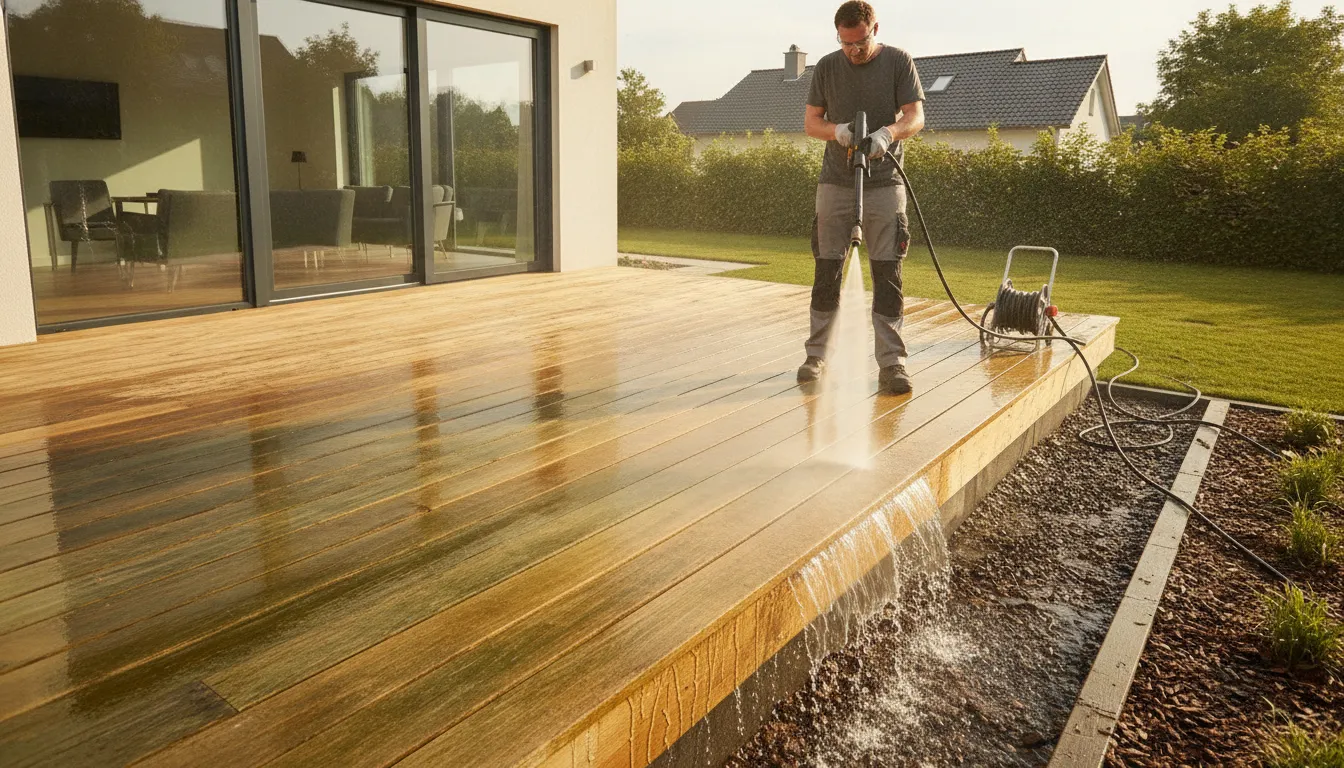
A freshly cleaned deck can make your outdoor space feel more inviting, but getting there takes more than pointing a pressure washer at the boards. Too much force can leave wood rough or marked, and some composite decks have specific cleaning rules. Before starting, check your deck’s material and care instructions. This guide covers the basics of deck power washing, from choosing a suitable nozzle and cleaner to protecting nearby plants and managing runoff. You’ll find practical tips for cleaning carefully, avoiding common mistakes, and deciding whether to handle the job yourself or ask KD Mobile Rinse and Shine about on-site service in Hardeeville.
Key Takeaways
- Check your deck’s material and care instructions before choosing a washer, nozzle, or cleaner.
- Use low pressure and steady passes; test a hidden area first and protect nearby plants from cleaner and runoff.
- Wait until the deck is fully dry before sanding or applying stain or sealer. For on-site deck cleaning in Hardeeville, contact KD Mobile Rinse and Shine.
What Is Deck Power Washing, and Why Does It Matter?
Deck power washing uses pressurized water, sometimes with a suitable cleaner, to remove outdoor buildup from deck boards. The right method depends on the deck’s material, age, and condition. Cleaning can improve its appearance and help prepare a wood deck for ongoing care, but too much pressure may damage the surface. Before you begin, check the deck’s care instructions and choose a cleaning method that fits the material. For on-site deck cleaning in Hardeeville, you can also explore KD Mobile Rinse and Shine’s power washing services.
Remove dirt, algae, mold, and mildew
Rain, shade, and everyday use can leave decks coated with dust, mud, grime, and organic growth. Algae and mildew may cause discoloration and make boards feel slick underfoot. A careful wash helps remove this buildup and refresh the deck’s appearance.
Pressure is only one part of the process. Using too much force can damage wood fibers, so select an appropriate setting and follow the cleaner’s directions. Perfect Power Wash recommends cleaning a deck about once a year to help maintain its appearance, with safe pressure, suitable cleaners, and a gentle rinse.
Prepare the deck for staining or sealing
Clean a wood deck before applying stain or sealer. Dirt and grime can affect how evenly a finish goes on, so washing helps prepare the surface for the next step. Follow the product label for preparation and drying instructions, and let the deck dry fully before applying a coating.
Washing may also remove grime that has built up over an existing stain. Still, strong pressure can roughen the wood or strip away finish. Window Genie explains how proper deck washing can help remove buildup and support stain longevity. Use a careful technique, and check whether the existing finish needs additional preparation before recoating.
Identify wood or composite decking
Check whether your deck is made from natural wood or composite boards before choosing a cleaning method. Wood can often be washed with care, but the appropriate pressure depends on the wood’s condition and type. Older, soft, or damaged boards may need a gentler approach.
Composite decking has its own maintenance requirements, and some manufacturers advise against pressure washing. Check the product’s care guide before using a washer or cleaner, since the wrong method could damage the boards or affect warranty coverage. 30 Seconds Cleaners highlights the importance of following material-specific deck care guidance.
What Equipment and Cleaner Do You Need?
Before washing, identify your deck material and check its care instructions. Pressure and cleaner choices depend on the surface, its condition, and the product you plan to use.
Choose a pressure washer and wide fan-tip nozzle
Choose a pressure washer with adjustable settings so you can begin gently and increase pressure only if needed. For pressure-treated wood, Family Handyman recommends starting between 1,000 and 1,200 psi. Softer woods, such as cedar, may need just 500 to 600 psi. These are general guidelines, so use less pressure if boards are worn or damaged.
Pair the washer with a wide fan-tip nozzle rather than a concentrated spray. Treated Wood recommends using a tip with a spray angle of at least 30 degrees, such as a white or green tip. Avoid narrow red or yellow tips, which can cut into wood. Test your setup on a hidden area first.
Use a wood-safe cleaner, such as a biodegradable or oxygen-based option
Choose a cleaner labeled for your deck material, and follow the directions for dilution, application, and rinse time. Oxygen-based cleaners can help remove dirt and organic stains. A plant-based, biodegradable detergent may also work, but check its label to confirm it is suitable for your deck.
Some homeowners use diluted vinegar and water for basic cleaning. Before applying any solution, confirm it is appropriate for the wood and finish. Never mix cleaning products, and don’t assume a cleaner is safe for every surface or plant. If you’re unsure which method to use, KD Mobile Rinse and Shine offers on-site power washing in Hardeeville.
Wear protective gear and shield plants from cleaner and runoff
Wear safety goggles, gloves, and closed-toe shoes or rubber boots to protect yourself from spray and cleaner. Check the product label for any additional precautions, including whether you need a mask or respirator. Family Handyman’s deck-washing guide also recommends protecting your eyes, hands, and feet from splashes.
Before you begin, move outdoor items away from the work area and cover nearby plants. Wet surrounding vegetation with clean water before applying cleaner, then rinse it again if it gets splashed. Direct runoff away from garden beds, storm drains, and places where pets spend time. Follow the cleaner’s instructions for use and disposal, and apply only the amount you need.
How Do You Prepare a Deck for Power Washing?
A little preparation helps protect your deck, belongings, and landscaping before washing begins. Clear the work area, check the deck for damage, and plan where water and cleaner will go. Taking these steps also makes it easier to clean the whole surface evenly.
Move furniture and sweep away debris
Move chairs, tables, planters, grills, rugs, and toys off the deck. This protects your belongings from spray and gives you room to clean along the edges and in corners. If an item is too heavy to move far, place it well outside the work area.
Sweep away leaves, dirt, and other loose debris, including anything caught between the boards. Debris can hold moisture and spread across the deck once wet. Family Handyman recommends clearing furniture and other items before washing so you can clean the entire surface.
Check for loose boards, protruding nails, and damage
Inspect the deck before using a pressure washer. Look for loose or cracked boards, popped nails, splinters, and soft or visibly damaged areas. Water pressure can make existing problems worse, so take care of repairs first. Hammer down protruding nails and replace damaged boards, or ask a professional for help if you’re unsure how to proceed.
Check stairs, railings, and the places where the deck meets the house, too. These spots can show wear that’s easy to miss during a quick scan. WOCA Woodcare advises checking for loose boards and protruding nails before washing. If you find significant damage, get advice before applying pressure.
Cover nearby items and plan for runoff
Move or cover nearby plants, outdoor furniture, and other items that could be affected by spray or cleaning solution. Read the cleaner’s label for advice on protecting landscaping, and avoid letting concentrated solution sit on leaves or nearby surfaces.
Before washing, check where water will flow. Clear drains and direct runoff away from doors, foundations, and areas where water could pool. If the deck is near a garden or lawn, use only the amount of cleaner needed and rinse carefully. Window Genie recommends protecting nearby items and planning for runoff. For on-site deck cleaning in Hardeeville, ask KD Mobile Rinse and Shine about power washing.
How Do You Power Wash Without Damaging the Deck?
The safest way to clean a deck is to start with a gentle approach and adjust only if needed. The right technique depends on the deck’s material, age, condition, and finish. Test your setup before washing the full surface, and check the manufacturer’s care instructions if you’re unsure what the boards can handle.
Test a hidden area and use the lowest effective pressure
Choose a small, inconspicuous area and test your pressure washer before cleaning the whole deck. Start with the lowest pressure setting and hold the wand away from the boards. Make a few passes, then check for signs of damage, such as grooves, splintering, a fuzzy texture, or a change in color. If you notice any of these, stop and lower the pressure or move the wand farther away. WOCA Woodcare recommends testing a small area and taking a careful approach to outdoor wood. Settings vary between washers, so don’t assume one pressure works for every deck. If you can’t clean the test area safely, choose a gentler method or contact a professional.
Keep the nozzle moving and follow the wood grain
Make long, steady passes in the direction of the boards, keeping the wand moving the entire time. Stopping over one spot can leave marks or cut into softer wood. Overlap each pass slightly to clean evenly, and keep the nozzle at a consistent distance from the surface. Moving closer can make the spray more forceful, even if you don’t change the pressure setting. Family Handyman’s deck-cleaning guide recommends sweeping motions and moving the wand away smoothly at the end of each pass. Clean a manageable section at a time, then inspect it before moving on. That makes it easier to spot a problem early and adjust your technique.
Apply cleaner as directed and rinse thoroughly
Choose a cleaner made for your deck material, then follow the label for dilution, application, and how long to leave it on the surface. Don’t let the cleaner dry on the boards, and don’t mix products unless the manufacturer says it’s safe. After cleaning, rinse with clean water, working systematically so residue doesn’t remain on the deck. Take care to protect nearby plants and surfaces from cleaner and runoff. Under Pressure Pros recommends following cleaner instructions and rinsing the deck after washing. If you’re uncertain whether a product is suitable for your deck, check its label or ask a deck-care professional before applying it.
Use gentle methods and follow manufacturer guidance for composite decking
Composite decking has different care requirements from natural wood, and instructions can vary by brand. Check the manufacturer’s guidance before using a pressure washer, cleaner, or scrub brush. Some manufacturers advise against pressure washing or warn that an unapproved cleaning method could affect the warranty. For instance, 30 Seconds Cleaners’ deck-care guidance recommends checking product instructions before cleaning composite boards. If pressure washing is allowed, test a hidden spot first and use a low setting with a wide spray pattern. If you’re not sure which method is safe for your deck, KD Mobile Rinse and Shine provides on-site cleaning services in the Hardeeville area.
Which Deck Power Washing Mistakes Should You Avoid?
Power washing can clean a deck quickly, but the wrong settings or timing can leave boards rough, marked, or damaged. Use a light touch, follow cleaner directions, and plan for the weather before you start.
Avoid excessive pressure and narrow, concentrated sprays
Too much pressure can gouge wood, strip protective coatings, or drive water into the boards. A narrow, concentrated spray can damage the surface before you realize what’s happening. Start with the lowest pressure that removes the dirt, and use a wide fan-tip nozzle instead of a pinpoint stream. Test your setup on a hidden spot first. If the wood starts to look fuzzy or splintered, stop and adjust your approach rather than turning up the pressure. For more guidance on choosing the right settings, read WOCA Woodcare’s advice on pressure washing outdoor wood.
Keep the nozzle moving and at a safe distance
Hold the wand a consistent distance from the deck and move it in smooth, overlapping passes. Follow the direction of the wood grain, and don’t pause over one spot. A stationary stream can leave visible stripes or cut into the surface. Family Handyman recommends keeping the wand at least eight inches from wood, though a safe distance can vary depending on the washer, nozzle, and deck material. Test a small area and adjust until you’re cleaning effectively without roughening the boards. Family Handyman’s deck-washing guide offers additional tips for handling the wand.
Follow cleaner instructions and protect against runoff
Choose a cleaner that’s safe for your deck material, and follow the label for dilution, application, and rinsing. Wear gloves and eye protection when handling cleaning products, and don’t mix products unless their labels say it’s safe. Before washing, cover nearby plants and move furniture or other items that could be affected by cleaner or runoff. Direct rinse water away from doors, drains, and sensitive landscaping where possible. Taking a few minutes to prepare helps protect the areas around your deck as well as the surface you’re cleaning.
Avoid direct sun and washing when rain may interrupt the job
Strong sunlight can dry cleaner on the deck before you have time to rinse it, which may leave residue or uneven marks. Choose a cooler, overcast period, and check the forecast so you have time to finish the job without rain interrupting it. Follow the cleaner’s instructions for how long it should remain on the surface, then rinse thoroughly. Wet boards can be slippery, so keep foot traffic off the deck while you work. If you’d rather have a local team handle the job, contact KD Mobile Rinse and Shine for on-site deck cleaning in Hardeeville.
How Often Should You Power Wash a Deck?
Clean as needed, often about once a year
For many wood decks, a thorough cleaning about once a year is a helpful starting point. Regular cleaning removes dirt and grime before they build up, but the right schedule depends on your deck’s condition and surroundings. Perfect Power Wash recommends annual deck cleaning as a general maintenance guideline.
Look for visible dirt, slippery areas, or green and black growth rather than relying only on the calendar. Clean sooner if buildup appears, and use a method suited to your deck’s material. Annual power washing isn’t necessary for every surface, and excessive pressure can damage wood. If you’re unsure how to clean your deck safely, a professional can assess it and provide on-site power washing in Hardeeville.
Consider shade, moisture, mildew, and foot traffic
A deck’s setting and use affect how quickly it gets dirty. Shaded areas may stay damp longer, while nearby trees can drop leaves and debris. Moisture and limited sunlight can encourage mildew and algae. High-traffic areas, such as steps and spaces near doors, may also collect dirt more quickly. Check these spots regularly, especially after rainy or humid periods.
If buildup returns quickly, clean affected areas as needed instead of waiting for your next annual wash. Clearing leaves and standing water can also help keep the deck cleaner between washes. Prime Time Window Cleaning outlines how shade, moisture, and foot traffic affect cleaning frequency.
Check care instructions before washing composite decking
Composite decking may need a different cleaning method from wood. Before using a pressure washer or cleaner, read the care instructions for your specific product. Some manufacturers restrict pressure washing, and using an unapproved method could damage the surface or affect warranty coverage. Follow the manufacturer’s guidance rather than assuming a pressure washer is safe.
Use only products and tools the manufacturer permits, and test a suitable cleaner on a small, inconspicuous spot first. If the instructions are unclear, contact the manufacturer or ask a deck-cleaning professional for advice. 30 SECONDS Cleaners recommends checking deck care requirements before choosing a cleaning method.
What Should You Do After Power Washing?
After washing your deck, allow it to dry, then inspect the boards before sanding or applying a finish. These steps help you catch rough spots and avoid sealing moisture into the wood. If you’re planning to stain or seal the deck, check the product label for preparation and drying instructions.
Let the deck dry fully—often 24–48 hours or longer
Wait until the wood is fully dry before applying stain or sealer. Twenty-four to 48 hours can be a helpful starting point, but drying time depends on the weather, shade, airflow, and how much water the boards absorbed. In Hardeeville’s humid conditions, a shaded deck may need extra time.
Check several areas, including gaps between boards and spots that receive little sun. If the wood still looks damp or feels cool to the touch, wait longer. A homeowner discussion about washing and sealing a deck also highlights the importance of giving wood several days to dry. When in doubt, follow the drying guidance from the stain or sealer manufacturer.
Check for stains, raised grain, and rough spots
Once the deck is dry, inspect it in good light. Look for stains that remain, raised wood grain, splinters, and rough patches. Power washing can reveal worn areas that dirt had concealed, while excessive pressure can leave the surface uneven or fuzzy.
Check stairs, railings, board edges, and walkways closely. These areas see frequent use and can be uncomfortable or unsafe underfoot if they have splinters. Also look for loose boards, popped nails, or screws that stick up. Take care of these issues before sanding or applying a finish. If you notice widespread damage or are unsure how to treat the surface, consider having a professional assess it.
Sand rough areas and confirm the deck is ready for staining or sealing
When the deck is dry, lightly sand rough or splintered spots, moving with the wood grain. Before sanding, hammer down popped nails and sink protruding screws to keep them from catching on the sanding tool. Sweep or vacuum away dust so it does not interfere with the finish.
Before applying stain or sealer, confirm the deck is clean and dry, and follow the product’s instructions for preparation and application. If the boards still feel damp, give them more time. For help with on-site deck cleaning in Hardeeville, explore KD Mobile Rinse and Shine’s services.
When Should You Hire a Deck Power Washing Professional?
A pressure washer can clean a deck quickly, but choosing the wrong pressure or cleaning method can damage its surface. Consider professional help when the deck’s material, condition, or buildup makes cleaning less straightforward.
Get help with delicate, damaged, or heavily soiled decks
Ask a professional to assess your deck if it has loose boards, splintered wood, or heavy algae, mold, or mildew buildup. Damaged areas may be more vulnerable to pressure, while stubborn grime can tempt you to use stronger settings or cleaners than the surface can handle.
Composite decking also requires careful treatment. The wrong pressure or cleaning method may leave marks, so check the manufacturer’s care instructions and get advice if you’re unsure. A professional can identify the deck material and choose a suitable approach. For more detail on the risks of cleaning composite surfaces, read this guide to professional deck power washing.
Ask KD Mobile Rinse and Shine about on-site service in Hardeeville
If cleaning the deck feels like a bigger job than you want to handle, ask about professional service at your property. KD Mobile Rinse and Shine serves Hardeeville, South Carolina, and offers power washing for decks and other outdoor surfaces. On-site service means you won’t need to transport equipment or take on the washing yourself.
When you get in touch, share the deck’s material and condition, along with any areas of heavy staining or mildew. Ask what preparation is needed and how long the deck should dry before you use it or apply a finish. To discuss your deck and arrange service, contact KD Mobile Rinse and Shine.
Frequently Asked Questions
Can I power wash a deck without damaging it?\ Yes, if the deck’s care instructions allow it and you use a gentle method. Test a hidden area first, use a wide spray pattern, and keep the wand moving. Stop if the surface becomes rough or splintered.
Is power washing safe for composite decking?\ It depends on the product. Check the manufacturer’s care guide before using a pressure washer or cleaner, since some composite decks have restrictions that may affect the surface or warranty.
How long should I wait to stain a deck after washing it?\ Wait until the wood is fully dry. A day or two may be enough in some conditions, but shade, humidity, and airflow can extend drying time. Follow the stain or sealer label before applying it.
What time of year is best for deck power washing?\ Choose a mild, dry period when you have enough time to wash and rinse the deck without rain interrupting the work. Avoid strong direct sun, which can cause cleaner to dry too quickly.
Can I get professional deck power washing in Hardeeville, SC?\ Yes. KD Mobile Rinse and Shine provides on-site power washing for decks and other outdoor surfaces in Hardeeville. Share your deck’s material and condition when you get in touch.