
How to Detail a Car at Home: Step-by-Step Guide
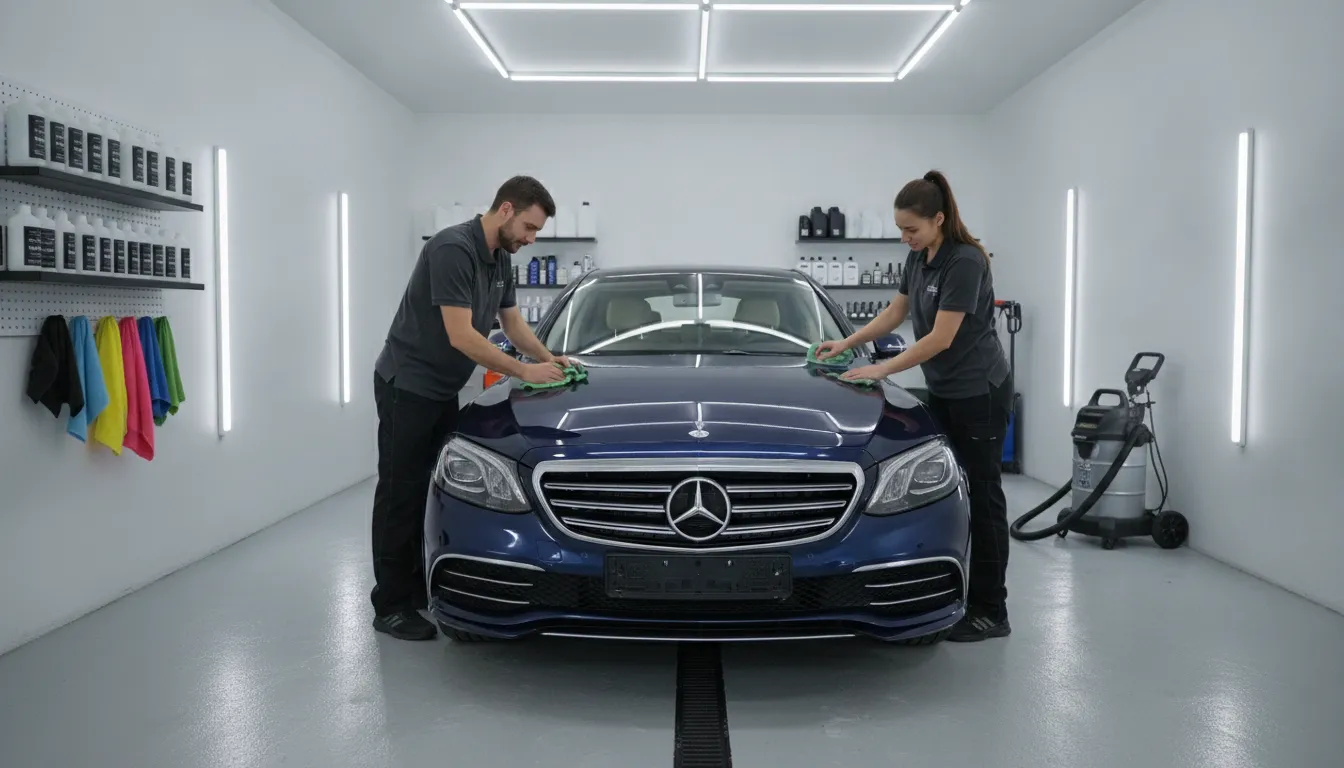
Dusty vents, muddy floor mats, water spots, and grime around the wheels can make a clean car feel out of reach. But you can handle many detailing tasks at home with patience and the right approach. Before you begin, learn how to detail a car at home safely: use cleaners suited to each surface, test unfamiliar products in a hidden spot, and keep dirty tools away from paint and upholstery. This guide covers each part of the process, from setting up your supplies to drying the exterior and cleaning the cabin. If you’d rather leave the work to a pro, KD Mobile Rinse and Shine serves vehicle owners at their location in Hardeeville.
Key Takeaways
- Use the right tools for each surface: Keep separate supplies for wheels, paint, glass, and interior materials to help prevent scratches and residue.
- Prepare before you clean: Work in the shade, follow product directions, test unfamiliar cleaners in a hidden spot, and let surfaces dry fully.
- Choose a routine that suits your car: Wash regularly, deep-clean when needed, and consider mobile detailing in Hardeeville for tough stains or time-consuming jobs.
What Supplies Do You Need to Detail Your Car at Home?
You can detail your car at home with a modest set of supplies. Start with car-safe soap, clean wash tools, a vacuum, and cleaners made for the materials in your vehicle. You can add specialty products later if a particular job calls for them. Keeping the setup simple makes it easier to stay organized and avoid using the wrong tool on a delicate surface.
Plan to keep separate supplies for the wheels, painted body, glass, and interior. Road grime and brake dust can transfer to clean paint if you reuse a wheel brush or dirty towel. Before applying a new cleaner, read its label and test it on a small, hidden area. If you would rather have someone bring the tools and handle the work, KD Mobile Rinse and Shine offers on-site detailing in Hardeeville.
Gather car wash soap, two buckets, a grit guard, a wash mitt, and clean microfiber towels
For an exterior wash, gather car soap, two buckets, a soft wash mitt, and several clean microfiber towels. Fill one bucket with soapy water and the other with rinse water. Rinse the mitt in the second bucket as you work, which helps keep some of the dirt it collects out of your wash solution. Grit guards at the bottom of the buckets can help keep loosened debris away from your mitt.
Choose soap made for vehicles instead of dish soap, which isn’t formulated for routine car washing. Keep a separate microfiber towel for drying, and don’t use towels that have been dropped on the ground. These simple habits help you avoid dragging grit across the paint. For a rundown of basic wash supplies, see Chemical Guys’ DIY car detailing guide.
Choose separate wheel and tire cleaners, brushes, glass cleaner, and interior cleaner
Use dedicated cleaners and brushes for wheels and tires, where brake dust and road grime can build up. Check the cleaner’s label to make sure it suits your wheel finish, and reserve those brushes for wheel work. Keeping them away from painted surfaces helps prevent grime from transferring to the body.
For the rest of the car, choose glass cleaner and an interior cleaner labeled as safe for your vehicle’s surfaces. A few soft detailing brushes can help remove dust around emblems, seams, and narrow trim. Avoid assuming one product works on every material. The Chemical Guys supply guide recommends using car-care products suited to the surface being cleaned.
Use a vacuum and soft detailing brush on carpets, vents, seams, and tight spaces
A household vacuum with suitable attachments can clean seats, carpets, and floor mats. Use a crevice attachment for narrow gaps and beneath the seats. Move the seats forward and back to reach more of the carpet, and vacuum from higher areas down so crumbs and dust don’t land on surfaces you’ve already cleaned.
A soft detailing brush can loosen dust from vents, seat seams, cup holders, and around controls. Use gentle strokes, especially near delicate trim and screens. Take your time around tight spaces rather than forcing a large attachment into them. For more tips on vacuuming hard-to-reach areas, read Erie Insurance’s guide to cleaning and detailing a car at home.
Match fabric and leather cleaners to your upholstery
Check what your seats are made of before choosing an upholstery cleaner. Fabric, leather, and other materials may need different products, so read the label to confirm that a cleaner is suitable for the surface. If you aren’t sure what your vehicle’s upholstery can tolerate, check the owner’s manual before you begin.
Apply the cleaner as directed, using a cloth or brush rather than soaking the material. Use a light touch around seams and perforations, where excess moisture can collect. Test an unfamiliar product on a hidden spot first, then let the area dry to check for changes in color or texture. This leather-cleaning demonstration shows why it’s worth choosing products made for the material you’re treating.
Use clay, wax, or sealant only if needed, and skip equipment you don’t need
Clay bars, wax, and paint sealants are optional. After washing and drying the car, lightly feel the paint with clean fingertips. If it still feels rough, a clay bar may help remove bonded contaminants. Use the lubricant recommended by the product, keep the surface wet as directed, and follow the instructions carefully.
Wax or sealant can add paint protection when applied according to its label. You don’t need to buy several products at once: start with the basic wash supplies, then add a clay bar or paint protectant only if the car needs it. If you’re new to detailing, focus on washing and drying before trying extra steps. This beginner’s guide to car detailing explains when clay and paint protection may be useful.
How Do You Prepare Your Car and Workspace?
A few minutes of preparation can make detailing easier and help prevent scratches, streaks, and leftover cleaner. Choose a comfortable place to work, clear the cabin, and set up your supplies before washing. Keep clean tools separate from anything that has touched wheels or the ground.
Park in the shade and let the car’s surfaces cool
Choose a shaded, level spot with enough room to open the doors and move around your car. If shade isn’t available, plan to work in the early morning or late afternoon, when surfaces are less likely to be hot. Let the paint, glass, and wheels cool before applying water or cleaning products. Heat can make products dry too quickly, leaving streaks or residue that’s harder to remove. Chemical Guys recommends working in the shade or indoors for this reason. Check the forecast, too: wind can carry dust onto freshly cleaned surfaces, while rain may interrupt your work. A little planning gives you time to clean each section carefully.
Remove belongings, floor mats, and loose debris
Before vacuuming or wiping surfaces, clear out the cabin and trunk. Remove rubbish, personal belongings, and loose debris, then take out the floor mats so you can reach the carpet beneath them. Check cup holders, seat pockets, door compartments, and the area around the spare tire for items you might otherwise miss. Put anything you’re keeping in a box or bag outside the car, and set rubbish aside for disposal. This gives you better access to the areas that need cleaning and helps keep dirt from spreading as you work. Erie Insurance’s guide to detailing at home also recommends removing belongings and mats before you begin.
Sort tools and towels by task to keep grime off paint and interior surfaces
Set out your supplies before you start so you can reach for the right tool without interrupting your work. Keep wheel brushes and towels separate from anything you’ll use on painted surfaces. Wheels collect brake dust and road grime, which can scratch paint if transferred by a dirty brush or cloth. Set aside clean microfiber towels for drying, glass, and interior surfaces, too. If a towel falls on the ground, put it aside rather than using it on the car. Separate buckets or clearly marked piles can make the system simple to follow. A car detailing guide explains how separate buckets and wash tools help prevent dirt from reaching paint.
Follow product labels, wear protective gear when directed, and never mix cleaners
Read each product label before use, paying attention to dilution, application, and rinsing instructions. Use the recommended amount, and don’t mix cleaners or transfer them into unmarked containers. Combining products can create unsafe reactions or damage a vehicle’s surfaces. If a label calls for gloves, eye protection, or ventilation, follow those directions. Keep the work area ventilated and the product instructions close by while you clean. If you’re unsure whether a cleaner is suitable for a particular surface, check the label or the manufacturer’s guidance before applying it. Taking a moment to read directions can help you avoid damage and use products as intended.
Test unfamiliar products in a hidden spot and keep chemicals away from children and pets
Before applying an unfamiliar cleaner or dressing across a large area, test it on a small, inconspicuous spot. Follow the product directions, then let the area dry and check for any change in color, texture, or finish. Use clean microfiber cloths and soft brushes to help remove dirt without scratching delicate materials. Store automotive products in their original containers with the lids secured, and keep them out of reach of children and pets. If you’d rather have the work done at your home or workplace, KD Mobile Rinse and Shine provides on-site vehicle detailing in Hardeeville.
How Do You Detail Your Car’s Exterior at Home?
Work from the dirtiest areas to the cleanest, and use separate tools for wheels, tires, and paint. Choose a shaded spot and let the car cool before you begin. This gives cleaning products more time to work and helps keep them from drying too quickly.
Clean wheels and tires first with dedicated products and tools
Wheels and tires collect brake dust and road grime, so clean them before washing the car’s body. Choose a wheel cleaner that’s safe for your wheel finish, and follow the label’s directions. Use a wheel brush to reach between spokes and around lug nuts, then use a separate brush for the tires. Keeping these tools apart helps prevent tire grime and brake dust from reaching painted surfaces.
Rinse each wheel thoroughly before moving on, and don’t let cleaner dry on the finish. If you’re unsure which products are suitable, check your vehicle or wheel manufacturer’s care guidance. Chemical Guys’ exterior detailing guide also treats wheels and tires as a separate step before washing the body.
Rinse the car to loosen dirt
Rinse the entire car before touching the paint with a wash mitt. Start at the roof and work down, letting water carry loose dust, pollen, and grit toward the ground. Give extra attention to lower panels, bumpers, and the areas behind the wheels, where road grime often collects.
Pre-rinsing won’t remove every contaminant, but it helps clear loose debris that could otherwise be dragged across the paint. Use a gentle stream, especially around delicate trim, seals, or damaged areas. If you’re washing in your driveway, pay attention to where the runoff flows and follow local guidance for car-wash wastewater. Erie Insurance’s at-home detailing guide offers additional tips for preparing a car for washing.
Wash from the roof down with two buckets and light, straight-line passes
Fill one bucket with car wash soap mixed according to the label, and another with clean water for rinsing your mitt. A grit guard in the rinse bucket can help keep debris at the bottom. Use soap made for automotive paint. Household dish soap may remove wax or sealant, so it’s not the best choice for a routine wash.
Starting at the roof, wash the windows, hood, doors, and lower panels in turn. Use light pressure and straight-line passes rather than scrubbing in circles. Leave the dirtiest areas for last, and keep wheel-cleaning tools away from the paint. The two-bucket method helps reduce the chance of rubbing collected grit back onto the vehicle.
Rinse the mitt often and wash one section at a time
Wash one manageable section at a time, such as half the roof or a single door. After each section, rinse the mitt in the clean-water bucket before adding more soap. This helps remove dirt from the mitt and keeps the wash solution cleaner. If you notice grit on the mitt, rinse it thoroughly before continuing.
Continue from the top of the car toward the lower panels, which tend to hold more grime. Rinse the vehicle before the soap dries, especially in warm or breezy conditions. If the car is large, work in smaller areas so you can keep the surface wet and the mitt clean. A steady routine is more helpful than rushing through the wash.
Dry the car promptly with a clean microfiber towel to help prevent water spots
After the final rinse, dry the car with a clean, soft microfiber towel. As water evaporates, it can leave mineral deposits on the paint and glass, particularly if your water is hard. Gently glide the towel across each panel or pat the surface dry. Avoid pressing hard, and switch to another towel if the first becomes saturated or picks up dirt.
Work from the roof down, using a separate towel for the wheels and tires. Check around mirrors, door handles, and trim, where water can collect and drip after you finish. Drying soon after rinsing helps reduce water spots, a step also recommended in Erie Insurance’s car-cleaning advice.
Use a lubricated clay bar only if the paint still feels rough after washing
Once the paint is clean and dry, lightly run your fingertips over a small area. If the surface still feels rough, bonded contaminants may remain. A clay bar can help remove them, but it must be used with plenty of clay lubricant or a product specifically labeled for clay use. Follow both products’ instructions and work on a small area at a time.
Keep the clay moving over the lubricated surface, folding or replacing it as directed when it becomes dirty. Never use it on dry paint. If the clay falls on the ground, discard it, since it may pick up grit that could scratch the finish. If you’re unsure whether your paint needs this step, skip it and ask an experienced detailer.
Apply wax or sealant as directed, then clean the exterior glass and dress the tires
Wax or paint sealant is optional, but it can add gloss and a layer of protection. Apply it only to a clean, dry surface, and follow the label for application, wait time, and removal. Avoid textured plastic and rubber unless the product is approved for those materials. If you’re doing a basic wash, it’s fine to leave this step out.
Clean the exterior glass with a glass cleaner and a fresh microfiber towel, taking care to follow the product directions around nearby trim. If you use tire dressing, apply a small amount to the sidewall and wipe away any excess. Keep dressing off the tread so it doesn’t interfere with traction. For on-site exterior detailing in Hardeeville, see KD Mobile Rinse and Shine’s services.
How Do You Clean Your Car’s Interior?
Work from the top of the cabin down so dust and crumbs land on areas you have not cleaned yet. Use gentle tools and cleaners made for each surface, and let everything dry fully before putting the floor mats back.
Remove and clean floor mats, then vacuum from the top down
Take out the floor mats and shake off loose dirt outside the car. Clean them according to their material: rubber mats can usually be rinsed and wiped, while carpeted mats may need an upholstery cleaner. Let them dry completely before returning them to the cabin.
Next, vacuum from the seats and dashboard area down toward the carpets. Use a crevice attachment between the seats, along the center console, and around the seat rails. Move the seats forward and back to reach the carpet underneath. A thorough vacuum makes later wiping and spot-cleaning easier. For a visual guide, watch this vehicle interior cleaning demonstration.
Brush dust from vents, seams, seat rails, and other tight spaces
Use a clean, soft detailing brush to loosen dust from air vents, dashboard seams, cup holders, seat stitching, and areas around controls. For narrow gaps, a small brush or vacuum crevice tool can help lift debris without pushing it farther into the cabin. Keep the vacuum close by to collect dust as you work.
Use light pressure around delicate trim and electronic controls. A stiff brush can scratch plastic or snag upholstery, so choose soft bristles and work carefully. Wipe the brush clean when dust builds up, especially before moving to another surface. Taking time with these often-missed spots helps prevent loosened debris from settling back onto areas you have already cleaned.
Apply compatible cleaners to a cloth before wiping dashboards, plastic, and rubber
Check the product label to confirm that a cleaner is suitable for the surface. Apply a small amount to a microfiber cloth instead of spraying it directly onto the dashboard or console. This gives you better control and helps keep liquid away from vents, buttons, and screens.
Wipe plastic and rubber surfaces gently, turning the cloth to a clean section as it picks up dirt. For textured areas, use a soft detailing brush to work the cleaner into the surface, then wipe away any residue. Follow the product directions, and test an unfamiliar cleaner on a hidden spot first. If you use a dressing, choose one made for automotive interiors and follow its instructions for the finish you want.
Use material-specific products on fabric and leather without oversaturating them
Choose a cleaner made for your car’s upholstery. Fabric seats and carpets need an upholstery product, while leather requires a leather-safe cleaner. Read the label and test the product on a hidden area first to check for discoloration or changes in texture.
Work in small sections, using only a little product at a time with a microfiber cloth or soft brush. Avoid soaking seats or carpets, since excess moisture can take a long time to dry. Blot spills instead of rubbing them deeper into the material. For leather, wipe away any cleaner residue. Use a compatible conditioner only when the product instructions recommend it, and allow the upholstery to dry before using the car.
Wipe touchscreens gently with a clean, dry microfiber cloth
Dust the touchscreen with a clean, dry microfiber cloth, using light pressure and slow strokes. Avoid paper towels, rough fabrics, and household cleaners, which may scratch the screen or affect its coating. If a mark remains, lightly dampen a corner of the cloth with water. The cloth should not be wet enough to drip.
Never spray liquid directly onto the screen or let moisture collect around its edges. Wipe gently, then use a dry part of the cloth to remove any remaining moisture. Check your vehicle’s manual for screen-care instructions, since materials and recommendations can vary. Use the same gentle approach on glossy control panels, and keep cleaning products away from buttons and openings.
Clean interior glass last, let surfaces dry, and replace the mats
Clean the inside of the windows and windshield after dusting and wiping the rest of the cabin. Use an automotive glass cleaner with a clean, lint-free microfiber towel. Spray the cleaner onto the towel, especially near the dashboard, to avoid overspray on other surfaces. Wipe the glass in overlapping passes, then buff it with a dry section of the cloth to help prevent streaks.
Let upholstery, carpets, and floor mats dry fully before replacing the mats. Check that cleaner residue is gone from frequently touched areas such as the steering wheel, gear selector, and door handles. If you would rather have the interior cleaned at your location, see KD Mobile Rinse and Shine’s detailing services in Hardeeville.
What Car Detailing Mistakes Should You Avoid?
A few simple habits can help prevent scratches, water spots, and damage while detailing your car at home. Use products made for the surfaces you’re cleaning, keep paint-care tools separate from wheel tools, and work in small sections so cleaners don’t dry before you can rinse or wipe them away.
Before starting, read product labels and test unfamiliar cleaners in a hidden spot. Cleaning can remove dirt, but it won’t repair cracked leather, worn trim, or damaged paint. If a task calls for specialized products or equipment, it may be best to leave it to a professional. KD Mobile Rinse and Shine offers on-site vehicle detailing in Hardeeville, so you can arrange service at home or work.
Skip dish soap, dirty towels, and wheel tools on paint
Dish soap might seem like an easy substitute for car wash soap, but its degreasing ingredients can remove wax or sealant from your vehicle’s paint. Choose a soap designed for cars, and keep brushes and mitts used on wheels and tires away from painted surfaces. They can collect grit and brake dust that may scratch the finish.
Use clean, soft microfiber towels for drying and polishing. Keep separate towels for paint, wheels, tires, and the interior, and set aside any towel that falls on the ground until it has been washed. Even small particles trapped in the fabric can leave marks. Chemical Guys’ DIY car detailing guide explains why choosing suitable products and clean tools matters when caring for your vehicle’s finish.
Avoid direct sunlight and don’t let cleaners dry on surfaces
Direct sunlight can cause water and cleaning products to dry before you have time to rinse or wipe them away. The result may be water spots, streaks, or residue on your paint and glass. When possible, work in the shade and let the car’s surfaces cool before you begin.
Clean one section at a time, following the product label for how long a cleaner should remain on the surface. Rinse or wipe it away as directed rather than leaving it while you move to another task. If the surface begins to dry too quickly, pause and find a cooler, shaded place. Erie Insurance’s guide to cleaning and detailing a car at home also recommends avoiding conditions that cause products to dry too quickly.
Avoid heavy pressure, aggressive scrubbing, and unlubricated clay
Scrubbing harder isn’t always the answer to stubborn dirt. Heavy pressure can drag grit across the paint and cause scratches. Instead, use plenty of car wash soap, make light, straight-line passes with a clean wash mitt, and rinse the mitt often. If it collects a lot of grime, switch to a clean one.
A clay bar can remove contaminants that remain after washing, but it needs lubricant to glide safely across the paint. Using it on a dry surface can cause scratches or marring. Wash the car first, then gently feel the paint. If it still feels rough, follow the clay product’s directions and work in small areas with plenty of lubricant. If you’re unsure how to treat the finish, contact a local detailing professional before continuing.
Check product compatibility before applying cleaners or dressings
A product that works on one surface may not be right for another. Wheel finishes vary, and a cleaner not suited to your wheel material could cause damage. Interior surfaces need care, too: fabric, leather, vinyl, rubber, and screens may each require a different product. Read labels before applying cleaners or dressings, and don’t assume a product is safe for every part of the vehicle.
When the instructions allow, apply cleaner to a cloth instead of spraying directly onto delicate trim or electronics. Test unfamiliar products in a hidden area and check for discoloration or other changes. Keep in mind that cleaning is not the same as repair. A leather cleaner may remove dirt, but it won’t fix cracks or restore worn material. For concerns about a delicate finish, choose a product made for that surface or ask an experienced detailer for advice.
Take breaks and drink water when working in warm weather
Detailing can take several hours, and working outdoors in warm weather can be tiring. Drink water regularly, plan breaks, and stop if you start to feel unwell. Move to a cooler place and give yourself time to recover before deciding whether to continue.
You can make the job more manageable by dividing it into shorter tasks. For example, wash the exterior one day and clean the interior another time. Organize your supplies before starting so you don’t have to carry tools back and forth, and choose a shaded workspace when possible. If you’d rather avoid a long outdoor project, KD Mobile Rinse and Shine can detail your vehicle at your location in Hardeeville.
How Often Should You Detail Your Car?
Your car’s detailing schedule depends on how often you drive, where you park, and what it encounters along the way. Regular washes remove surface dirt, while a full detail addresses interior buildup and helps maintain the exterior. Use these guidelines as a starting point, then adjust based on your vehicle’s condition.
Wash every one to two weeks, depending on driving conditions and weather
For many cars, washing every one to two weeks is a practical routine. If you regularly drive on dusty roads, park beneath trees, or encounter mud and rain, you may need to wash more often. Removing grime before it builds up helps keep the paint looking clean and makes routine washing easier.
Check your car between washes, especially after messy drives or when pollen covers the paint and glass. Use products made for vehicles and clean microfiber towels to avoid dragging grit across the finish. Chemical Guys’ car detailing guide offers additional tips for routine exterior care.
Deep-clean the interior and refresh paint protection every few months as needed
A thorough interior and exterior detail every four to six months works well for many vehicles. Deep cleaning can address dust, crumbs, and grime in carpets, seats, vents, and other areas that a quick tidy may miss. It’s also a good time to check whether your wax or sealant needs refreshing.
Your routine may call for more frequent detailing if you drive daily, travel with children or pets, or spend a lot of time outdoors. If the interior remains clean and the paint protection is holding up, you may be able to wait longer. KD Mobile Rinse and Shine’s detailing services are available at your location in Hardeeville.
Check for pollen, road grime, and interior buildup between full details
Take a few minutes to check your car every week or two. Look for pollen on the paint and windows, grime around the wheels, and dirt on floor mats or in the footwells. Seasonal pollen and wet-weather driving can leave noticeable buildup, even if your next full detail is still weeks away.
Clean small messes with products suited to each surface, and use a fresh cloth to avoid spreading dirt. For set-in stains, lingering odors, or grime in hard-to-reach areas, consider calling a professional. Contact KD Mobile Rinse and Shine to ask about on-site detailing in Hardeeville.
When Should You Hire a Professional Mobile Detailer?
Home detailing can handle everyday dust and dirt, but some jobs call for more time, the right tools, or a careful touch. Consider hiring a professional when stains persist, your vehicle has a delicate finish, or a deep clean feels like more than you can take on.
Ask for help with stubborn stains, delicate finishes, or time-consuming deep cleans
If a stain doesn’t come up with gentle cleaning, avoid scrubbing harder or trying a stronger product without checking that it’s safe for the material. Too much pressure or the wrong cleaner can damage upholstery, trim, or paint. Black paint and ceramic-coated finishes also need careful washing with compatible products. Chemical Guys’ car detailing guide offers tips for maintaining these surfaces.
A professional detailer may also help when dirt has collected in hard-to-reach places, such as seat seams, vents, and around seat rails. Before booking, describe the stain or finish and ask what the service includes. That helps set clear expectations and gives the detailer useful information before the appointment.
Choose on-site detailing in Hardeeville for service at home or work
A mobile detailer can clean your vehicle at your home or workplace, so you can skip the trip to a shop. On-site service is a practical option when you have a busy schedule, more than one vehicle, or a car that needs more than a quick wash. You can carry on with your day while the detailer works at your location.
Before you schedule, ask which areas of the vehicle are included, how long the appointment may take, and whether you need to provide water or power. KD Mobile Rinse and Shine offers mobile vehicle detailing in Hardeeville. You can contact the team to discuss your vehicle and arrange service.
Leave paint correction and tasks that require specialized equipment to an experienced detailer
Swirl marks, scratches, and a dull finish may need more than a standard wash. Paint correction uses polishing to improve certain surface defects, while wax or sealant adds protection. These jobs require the right products, tools, and technique. Using an abrasive product incorrectly can make the finish look worse. Learn more about the difference between polishing and waxing before deciding what your vehicle needs.
Ask a detailer to assess the paint and explain what results are realistic. They can recommend an approach based on the finish’s condition and let you know whether the work is part of a routine detail or requires specialized equipment.
Frequently Asked Questions
What should I buy first to detail my car at home?\ Start with car wash soap, two buckets, a soft wash mitt, clean microfiber towels, a vacuum, and cleaners suited to your car’s surfaces. Add specialty products only when you have a specific need.
Can I use the same towels and brushes on every part of my car?\ It’s best to keep separate tools for wheels, paint, glass, and the interior. Wheel tools can pick up brake dust and grit, which may scratch paint or dirty other surfaces.
How long does it take to detail a car at home?\ The time depends on your car’s size and condition, as well as how thoroughly you clean it. If the job feels too large, split it into separate exterior and interior sessions.
How often should I detail my car?\ Many drivers find a full detail every four to six months is a useful starting point. Dusty roads, tree pollen, pets, children, and frequent driving may mean your car needs attention sooner.
Can I have my car detailed at home in Hardeeville?\ Yes. KD Mobile Rinse and Shine offers on-site vehicle detailing in Hardeeville. Contact the team to discuss your car and ask what the service includes.